As landscape architects, creating spaces that are not only aesthetically pleasing but also safe and accessible is crucial. One of the key considerations in public space design is the selection of grates that meet both ADA (Americans with Disabilities Act) requirements and the specific needs of the environment. When it comes to grates, understanding the difference between standard ADA compliant grates and heel proof grates can significantly impact the functionality and safety of your projects.
What Are ADA Compliant Grates?
ADA compliant grates are designed with the goal of enhancing accessibility and ensuring the safety of all users, including those with disabilities. These grates feature openings that are no wider than 1/2 inch, which is the maximum allowed under ADA regulations. This specification helps prevent mobility devices like wheelchairs and walkers from getting stuck in the grates, thereby reducing the risk of injury.
What Are Heel Proof Grates?
Heel proof grates take ADA compliance a step further by having even smaller openings, typically ranging from 1/4 inch to 5/16 inch. These smaller openings are specifically designed to prevent high-heeled shoes from getting caught in the grate, which is a common concern in areas with heavy foot traffic. Heel proof grates are an excellent choice for spaces such as restaurant patios, shopping malls, airport terminals, and any public area where both safety and comfort are paramount.
Key Differences Between ADA Compliant Grates and Heel Proof Grates
- Opening Size:
- ADA Compliant Grates: Maximum opening size of 1/2 inch.
- Heel Proof Grates: Smaller openings, ranging from 1/4 inch to 5/16 inch.
- Performance:
- ADA Compliant Grates: Generally less prone to clogging, making them a robust choice for areas where debris might accumulate.
- Heel Proof Grates: Due to their smaller openings, they may be more susceptible to clogging, especially in environments with high debris. This makes them ideal for cleaner, controlled environments.
- Maintenance:
- ADA Compliant Grates: Typically require less frequent maintenance, as their larger openings allow for easier passage of debris.
- Heel Proof Grates: May require more regular maintenance to prevent clogging, depending on the surrounding environment and the level of debris.
Choosing the Right Grate for Your Project
When selecting between ADA compliant grates and heel proof grates, consider the specific needs of your project:
- High Foot Traffic Areas: If your project is located in a public area with a lot of pedestrian traffic, particularly where high-heeled shoes are common, heel proof grates may be the best choice. The smaller openings enhance safety and comfort for all users.
- Debris-Prone Environments: In areas where debris like leaves, dirt, or trash might accumulate, ADA compliant grates with their slightly larger openings may perform better and require less frequent cleaning.
Both ADA compliant and heel proof grates are essential tools in your design toolkit, each offering unique benefits depending on the environment. By understanding their differences, you can make informed decisions that prioritize safety, accessibility, and the long-term functionality of your projects.
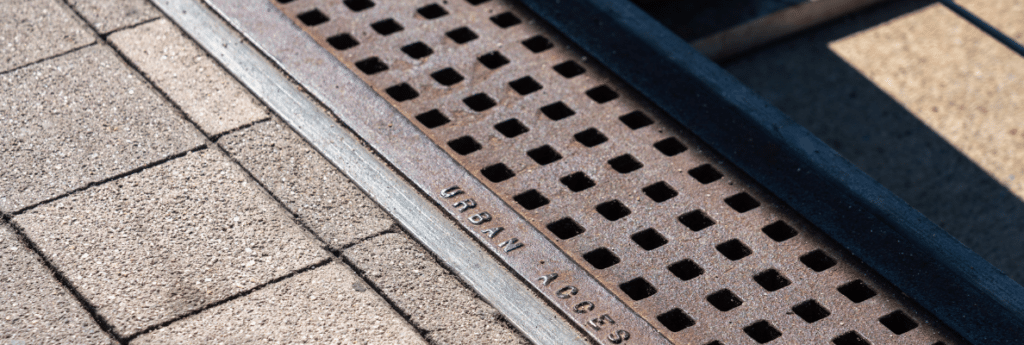
Popular ADA grating includes our Standard ADA trench grate,
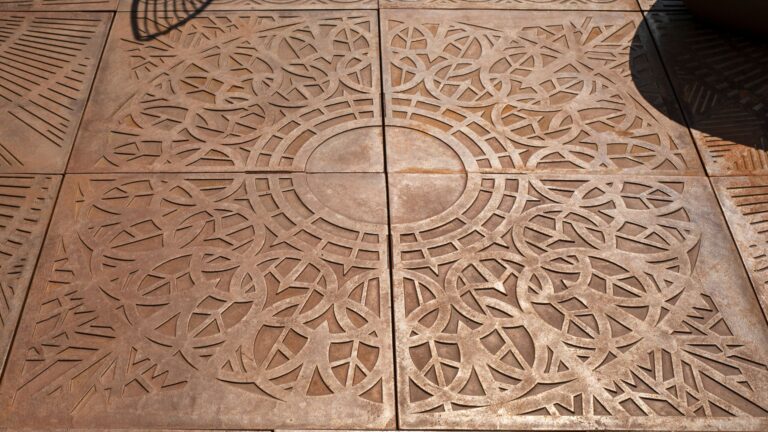
our Jamison tree grate,

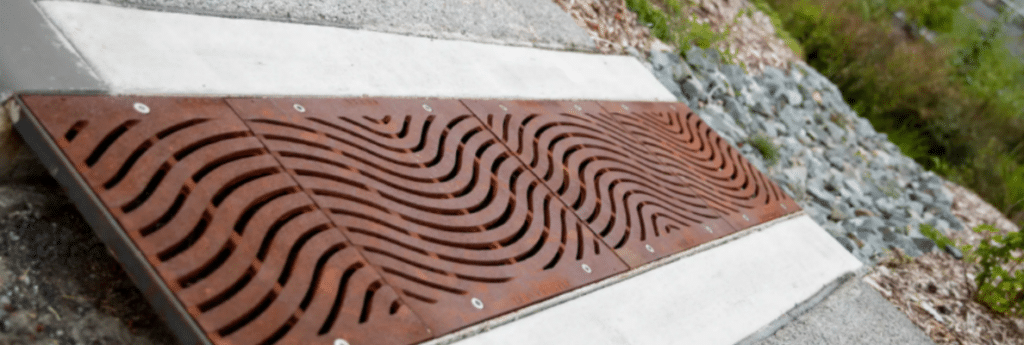
and our Title Wave drain cover for example.
At Urban Accessories, we are committed to providing high-quality, durable grates that meet the rigorous standards of both ADA compliance and specialized needs like heel proofing. Reach out to our team to learn more about how our grates can enhance your next landscape architecture project.