When delving into the world of metals, you will frequently encounter the terms “ferrous” and “nonferrous.” These classifications are fundamental to understanding the unique properties and applications of different metals. In this blog post, brought to you by Urban Accessories, we will explore the definitions of ferrous and nonferrous metals, highlight their key differences, and explain why these distinctions are crucial for landscape architects and designers.
What Are Ferrous Metals?
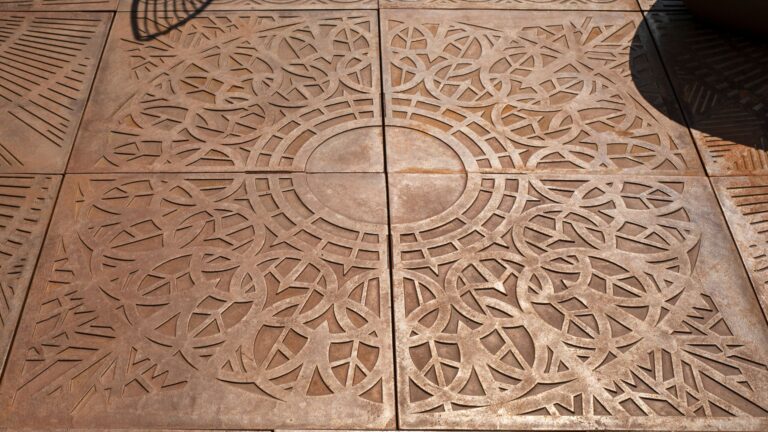
Ferrous metals are those that contain iron. The term “ferrous” is derived from the Latin word “ferrum,” which means iron. These metals are characterized by their magnetic properties and a tendency to rust when exposed to moisture. Common examples of ferrous metals include steel, cast iron, and wrought iron. Due to their strength and durability, ferrous metals are widely used in construction, automotive, and manufacturing industries. At Urban Accessories, we utilize ferrous metals in our site amenities to ensure they provide robust and long-lasting solutions for urban environments.
What Are Nonferrous Metals?
Nonferrous metals, on the other hand, do not contain iron. This absence of iron makes them non-magnetic and resistant to corrosion. Examples of nonferrous metals include aluminum, brass, bronze, and nickel. These metals are valued for their lighter weight, higher conductivity, and resistance to rust, making them ideal for various applications. Urban Accessories leverages nonferrous metals to create high-quality, corrosion-resistant products that stand the test of time, ensuring durability and sustainability in landscape architecture.
Key Differences Between Ferrous and Nonferrous Metals
- Composition:
- Ferrous metals contain iron, while nonferrous metals do not.
- Ferrous metals contain iron, while nonferrous metals do not.
- Magnetic Properties:
- Ferrous metals are generally magnetic due to the presence of iron, whereas nonferrous metals are non-magnetic.
- Ferrous metals are generally magnetic due to the presence of iron, whereas nonferrous metals are non-magnetic.
- Corrosion Resistance:
- Ferrous metals tend to rust and corrode when exposed to moisture and air. In contrast, nonferrous metals are much more resistant to corrosion.
- Ferrous metals tend to rust and corrode when exposed to moisture and air. In contrast, nonferrous metals are much more resistant to corrosion.
- Strength and Durability:
- Ferrous metals are known for their strength and durability, making them suitable for structural applications. Nonferrous metals, while not as strong, offer other benefits such as lighter weight and higher resistance to corrosion.
Applications of Ferrous and Nonferrous Metals
The definition of ferrous and nonferrous metals directly influences their applications in landscape architecture. Ferrous metals like steel and cast iron are used in building durable site amenities such as benches, bollards, and tree grates. Nonferrous metals like aluminum and bronze are essential for creating corrosion-resistant and lightweight elements such as decorative panels.
At Urban Accessories, we incorporate both ferrous and nonferrous metals in our products to deliver the best of both worlds. Our durable cast iron products provide unparalleled strength for urban infrastructure, while our nonferrous metal offerings ensure longevity and resilience against environmental factors.
Sustainability and Recycling at Urban Accessories
Urban Accessories is deeply committed to sustainability. We recognize the environmental impact of metal production and actively work to minimize it. Our use of recycled iron is a cornerstone of our sustainable practices. We proudly utilize 100% recycled materials in all cast gray iron and aluminum products. Additionally, our cast ductile iron products contain 52% recycled iron, and our fabricated steel products range from 88% to 100% recycled content. This initiative significantly reduces our demand on virgin materials and lowers the environmental impact associated with resource extraction.
Recycling Practices:
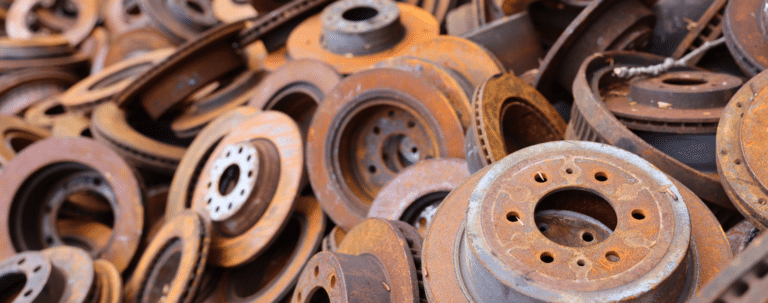
- Sourcing Recycled Materials: We source 100% of our iron from recycled car parts, specifically brake rotors and drums. This innovative approach helps reduce waste and transforms discarded materials into stunning architectural elements.
- Recycling at All Phases: Our metal casting processes involve the reuse of materials within the melting and molding stages. We also produce recyclable products for customers and supply secondary markets with usable byproducts generated by our facilities.
Advantages of Ferrous Metals in Urban Design
Strength and Durability: Ferrous metals like steel and cast iron are known for their exceptional strength and durability. This makes them ideal for structural applications where robustness is paramount. For example, in urban design, cast iron benches and bollards can withstand heavy usage and adverse weather conditions, ensuring longevity and reducing maintenance costs.
Cost-Effectiveness: Ferrous metals are often more cost-effective than their nonferrous counterparts, particularly in large-scale applications. The abundance of iron ore and well-established production processes contribute to lower costs. This makes ferrous metals an attractive option for municipal projects where budget constraints are a consideration.
Recyclability: Steel and iron are highly recyclable, which aligns with sustainability goals. At Urban Accessories, we prioritize using recycled ferrous metals in our products, contributing to resource conservation and reducing the environmental footprint of our manufacturing processes.
Advantages of Nonferrous Metals in Urban Design
Corrosion Resistance: Nonferrous metals like aluminum and bronze are highly resistant to corrosion, making them ideal for outdoor applications where exposure to the elements is a concern. For instance, aluminum signage and bronze decorative panels maintain their appearance and integrity over time, even in harsh weather conditions.
Lightweight and Malleable: Nonferrous metals are generally lighter and more malleable than ferrous metals, offering greater flexibility in design. This allows for intricate and innovative architectural elements that enhance the aesthetic appeal of urban spaces. At Urban Accessories, we use nonferrous metals to create bespoke designs that add unique character to public areas.
Environmental Impact and Sustainability
Understanding the definition of ferrous and nonferrous metals also involves considering their environmental impact and sustainability. The production of ferrous metals, particularly steel, involves significant energy consumption and carbon emissions. However, advancements in technology and practices such as recycling are helping to mitigate these impacts.
Nonferrous metals, while generally more environmentally friendly in terms of corrosion resistance and recyclability, also have their challenges. The extraction and processing of nonferrous ores can be environmentally damaging. At Urban Accessories, we strive to source metals responsibly and incorporate recycled materials wherever possible to minimize our environmental footprint.
Historical Context and Evolution
The distinction between ferrous and nonferrous metals dates back to ancient civilizations. Early metalworkers recognized the differences in properties and uses of various metals. For instance, the Bronze Age marked a significant advancement in tool and weapon making due to the superior qualities of bronze, a nonferrous metal.
The Industrial Revolution further emphasized the importance of these distinctions. The mass production of steel and iron revolutionized construction, transportation, and manufacturing. Today, modern advancements continue to expand the applications and improve the sustainability of both ferrous and nonferrous metals.
Future Trends in Metal Use for Urban Design
Smart Materials: The development of smart materials that can adapt to environmental conditions is a growing trend. These materials, which include advanced ferrous and nonferrous metals, can change properties in response to temperature, light, and other stimuli, enhancing their functionality in urban design.
Sustainable Sourcing: There is an increasing focus on sustainably sourced materials. Companies like Urban Accessories are leading the way by ensuring that the metals used in their products are sourced responsibly, with an emphasis on recycling and minimizing environmental impact.
Innovative Manufacturing Techniques: Techniques such as 3D printing and advanced casting methods are allowing for more intricate and customized designs. These innovations are particularly beneficial for nonferrous metals, which are easier to mold and shape, enabling the creation of unique urban amenities.
Our Products
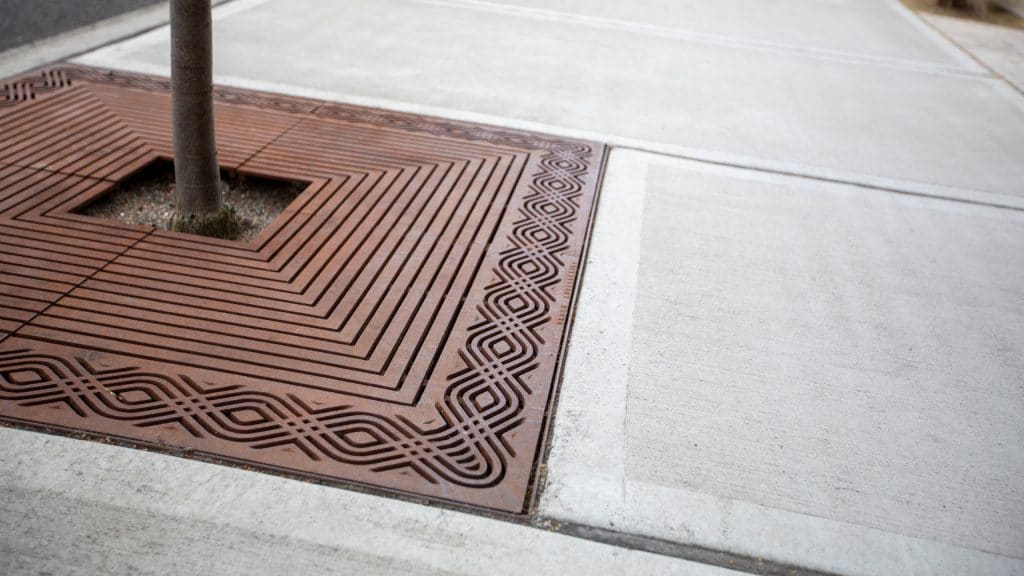
Here is an example of ferrous and nonferrous products. Keep in mind that the bulk of our grates are ferrous because of the longevity and the wear and tear they take when on the ground.
Cast iron ferrous Chinook tree grate
Cast aluminum nonferrous Crease bike rack

Conclusion
Understanding the definition of ferrous and nonferrous metals is fundamental for landscape architects and designers involved in creating sustainable and durable urban spaces. Recognizing their properties, differences, and applications allows for informed decision-making and optimal use of these metals in various projects. Whether we are designing a park bench or a decorative panel, knowing whether to use ferrous or nonferrous metals can make all the difference. Site furnishings are primarily nonferrous because of corrosion resistance.
At Urban Accessories, we are committed to providing high-quality, durable, and sustainable metal products that meet the needs of modern urban environments. Our expertise in both ferrous and nonferrous metals ensures that our products not only meet the highest standards of quality and durability but also contribute to the aesthetic and functional enhancement of