In today’s world, sustainability is more than just a buzzword; it’s a necessity. As architects and designers strive to create eco-friendly spaces, the Leadership in Energy and Environmental Design (LEED) certification has become a gold standard. LEED certification not only ensures that buildings are environmentally responsible, but also promotes healthier living spaces. Urban Accessories, a leader in the metalcasting industry, is at the forefront of this movement, making significant contributions to sustainable building practices.
Understanding LEED Certification
LEED, developed by the U.S. Green Building Council (USGBC), is a comprehensive system for certifying the sustainability of buildings. It evaluates projects based on various criteria such as energy efficiency, water conservation, reduction of greenhouse gas emissions, and improved indoor environmental quality. Achieving LEED certification can be a complex process, but it offers numerous benefits including reduced operating costs, increased asset value, and a healthier environment for occupants.
Urban Accessories’ Role in Promoting Sustainability
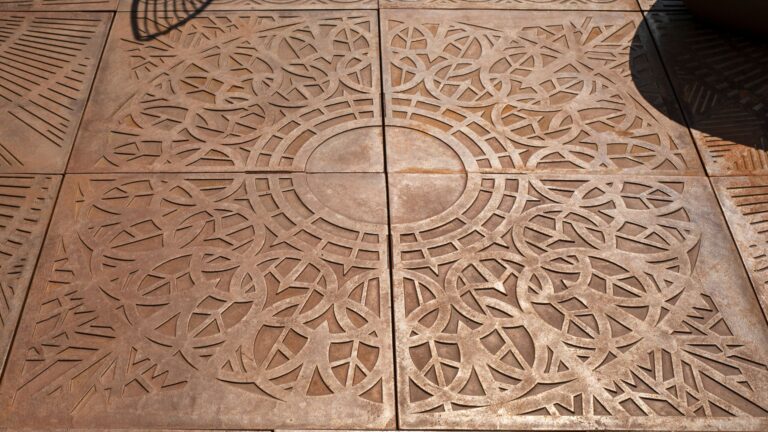
Urban Accessories has long been dedicated to sustainable practices. Since its inception in 1972, the company has focused on creating high-quality, grating like the Jamison Tree Grate, site furnishings like the Glide Bench, and streetscape elements like Truncated Domes that not only enhance urban landscapes but also uphold stringent environmental standards. Here’s how Urban Accessories contributes to LEED certification and sustainable building practices:
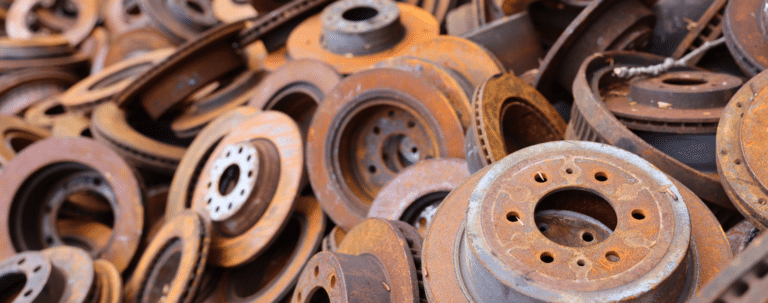
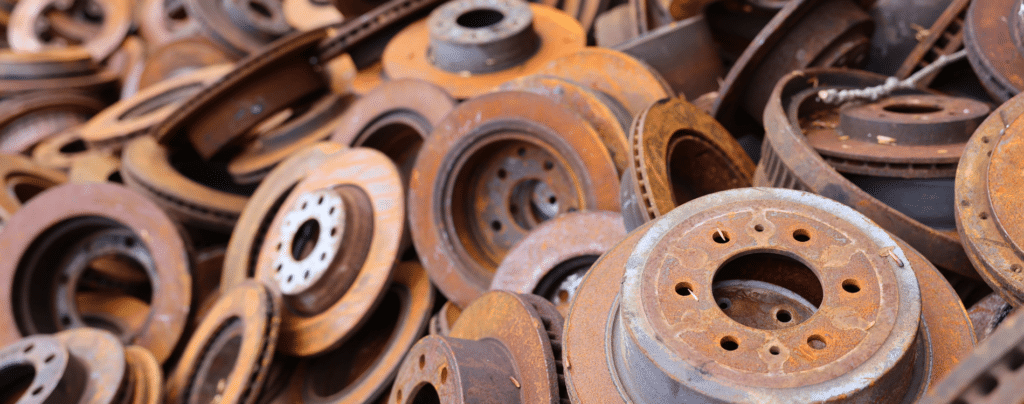
1. Use of Recycled Materials: Urban Accessories proudly utilizes 100% recycled materials in all cast gray iron and aluminum products and fabricated steel products range from 88% to 100% recycled content. By sourcing 100% of their iron from recycled car parts, specifically brake rotors and drums, Urban Accessories significantly reduces the demand for virgin materials and minimizes the environmental impact associated with resource extraction.
2. Local Sourcing: Prioritizing local sourcing, Urban Accessories ensures that many of their suppliers are located within 50 miles of their primary manufacturing facility in Tacoma, WA. This approach minimizes transportation emissions and supports the local economy. Materials like Richlite, made from recycled paper, are sourced locally, further emphasizing their commitment to sustainability.
3. Energy-Efficient Manufacturing: Urban Accessories is dedicated to reducing their carbon footprint through energy-efficient manufacturing practices. Their facilities are equipped with advanced technologies designed to minimize energy consumption and maximize operational efficiency. Strategies include smart manufacturing systems, energy recovery systems, and high-efficiency equipment.
4. Waste Reduction and Resource Conservation: The company’s commitment to sustainability extends to waste reduction and resource conservation. Urban Accessories recycles materials at all phases of the manufacturing process, including converting spent sand and other byproducts into reusable materials. Their eco-friendly packaging practices further reduce waste.
5. Durability and Longevity: Durability is a cornerstone of sustainable design, and Urban Accessories excels in creating long-lasting products. Their use of durable materials like cast iron, aluminum, bronze, and nickel bronze ensures that their products have a long lifespan, reducing the need for frequent replacements. This not only conserves resources but also minimizes environmental impact.
Achieving LEED Points with Urban Accessories
Recycled Content: Using products with high recycled content, such as those from Urban Accessories, can contribute significantly to achieving LEED points under the Materials and Resources category. For instance, incorporating recycled materials into your project can help earn points for recycled content and regional materials.
Sustainable Sites: Products from Urban Accessories that are designed to manage stormwater and reduce heat islands can help projects achieve points in the Sustainable Sites category. Their expertise in creating site furnishings that support green infrastructure is invaluable in designing LEED-certified projects.
LEED Certification Insights from Jeff White
As part of their commitment to sustainability, Urban Accessories provides valuable insights on how casting suppliers can contribute to LEED certification. Jeff White, President of Urban Accessories, shares his expertise:
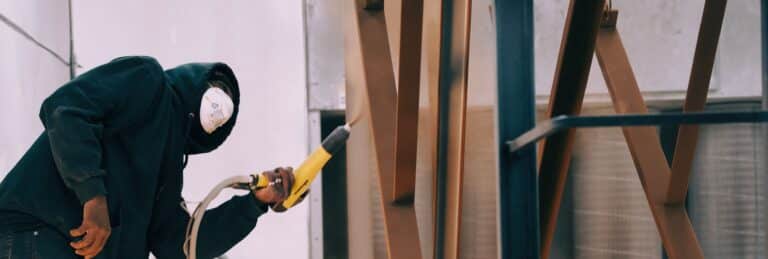
“I want LEED certification for my project. How can a casting supplier contribute?” Recycled content is important! Some US-based foundries may cast using pure ingot, typically sourced from overseas with little to no recycled content. There are environmentally conscious alternatives with suppliers who can provide 100% recycled metal options. For example, retired vehicular brake rotors and drums can be fully repurposed into cast gray iron products. Metals obtained locally to the producing foundry contribute to LEED certification. Also, a supplier that’s vertically integrated (who controls all their manufacturing processes) helps with LEED points. For example, we have an in-house pattern shop, foundry, and finishing department. All manufacturing takes place at our facilities located within 2 miles of one another, creating a low carbon footprint. In comparison, some suppliers are subbing out their pattern and foundry work to different manufacturers, resulting in higher emissions.
Conclusion
Urban Accessories exemplifies how a commitment to sustainability and excellence can drive meaningful contributions to the green building movement. Their innovative use of recycled materials, local sourcing, energy-efficient practices, and durable products not only support LEED certification but also pave the way for a more sustainable future. By choosing Urban Accessories, architects and designers are not only investing in high-quality, customizable products but also partnering with a company that prioritizes environmental stewardship and sustainable practices. Together, we can build a greener, more sustainable world.