In the modern world, sustainable urban design is no longer just a trend but a necessity. As landscape architects, integrating sustainability into every project is paramount. This blog post explores how Urban Accessories champions sustainability, providing innovative solutions that meet and exceed environmental expectations. Here, you’ll discover what sustainable urban design entails, practical examples, and the significant impact of Urban Accessories’ contributions to this vital field.
What is Sustainable Urban Design?
Sustainable urban design refers to creating urban spaces that are environmentally friendly, resource-efficient, and conducive to human well-being. It involves the thoughtful integration of green spaces, efficient water and energy use, and the utilization of sustainable materials. This approach ensures that urban areas thrive today and remain viable for future generations. Urban design is about more than just aesthetics; it includes considering the built environment’s impact on ecology, air quality, and public spaces.
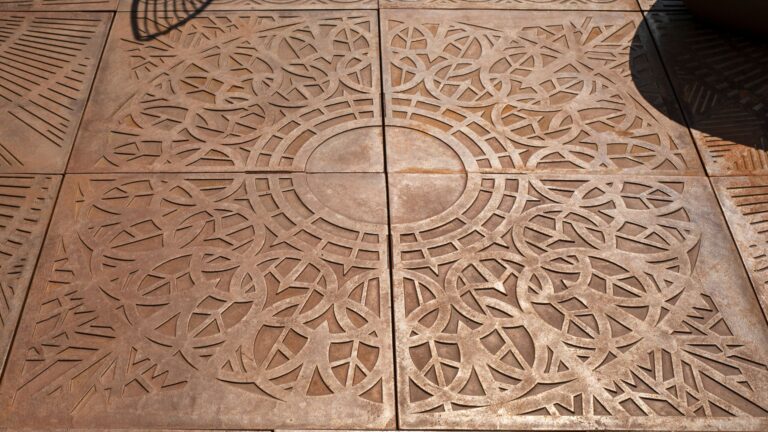
Urban Accessories is at the forefront of this movement by integrating recycled materials into its products. It exemplifies how innovative design can meet sustainability goals by transforming old car parts into functional urban accessories like the Bay bench and the popular Jamison tree grates. This approach reduces waste and conserves energy, setting a high standard for sustainable urban design practices. Moreover, their approach is a perfect blend of sustainable urban planning and design, ensuring that every product not only serves its function but also contributes to the overall sustainability of the urban environment.
Examples of Sustainable Urban Design
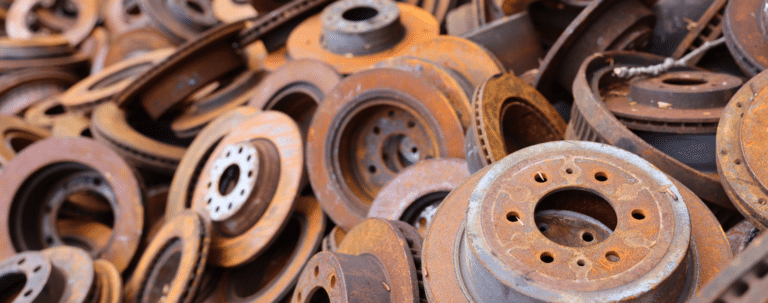
One critical aspect of sustainable urban design is the use of recycled and sustainable materials. Urban Accessories leads by example, using retired vehicular brake rotors and drums to create cast gray iron products. This reduces waste and minimizes the carbon footprint associated with manufacturing new materials. Additionally, the inclusion of green infrastructure, such as permeable pavements and green roofs, enhances urban resilience and biodiversity.
Another example is their ability to customize products to fit specific site conditions. For instance, their tree grates can be modified to suit various dimensions, making them adaptable to urban landscapes. This flexibility ensures that sustainable practices can be implemented without compromising design aesthetics or functionality. These sustainable urban design examples highlight how Urban Accessories effectively combines environmental responsibility with innovative design solutions.
Benefits of Urban Sustainable Design
The benefits of sustainable urban design are manifold. Environmentally, it reduces waste, conserves natural resources, and lowers carbon emissions. Socially, it enhances the quality of urban life by creating healthier, more livable environments. Economically, it can lead to cost savings regarding energy use and material costs. Incorporating renewable energy sources and efficient land use planning can further enhance these benefits.
Urban Accessories’ commitment to sustainability has a direct impact on urban environments. They reduce the overall carbon footprint by choosing recycled materials and local manufacturing. Their products meet the aesthetic and functional needs of urban spaces and contribute to the well-being of the communities they serve. By focusing on sustainable urban development, Urban Accessories helps create cities that are both vibrant and sustainable.
Climate Change and Sustainable Urban Design
Addressing climate change is a critical component of sustainable urban design. Urban Accessories’ products help mitigate the effects of urban heat islands by integrating green spaces and reflective materials into their designs. This approach not only improves air quality but also enhances the overall well-being of urban residents.
The Role of Landscape Architecture in Sustainable Urban Design
Landscape architecture plays a pivotal role in sustainable urban design. It involves designing and managing the open spaces within urban environments to promote environmental sustainability. Urban Accessories collaborates closely with landscape architects to create solutions that integrate seamlessly into the natural and built environments. This collaboration ensures that every project maximizes the use of green spaces, enhances biodiversity, and supports the well-being of urban communities. See recent collaboration we had with CMG Landscape Architecture and our representatives Spruce & Gander on the Treasure Island transformation.
Integrating Green Infrastructure
Green infrastructure is an essential element of sustainable urban design. It includes natural and semi-natural systems that provide environmental, social, and economic benefits. Examples of green infrastructure include green roofs, rain gardens, and urban forests. These systems help manage stormwater, reduce urban heat islands, and improve air quality. Urban Accessories’ products are designed to complement green infrastructure, making it easier for cities to implement sustainable solutions.
Enhancing Urban Resilience
Urban resilience refers to the ability of urban areas to withstand and recover from adverse conditions such as natural disasters, climate change, and economic shocks. Sustainable urban design contributes to urban resilience by incorporating features that enhance the adaptability and durability of urban spaces. For instance, permeable pavements can reduce flooding, while green roofs can lower energy consumption and mitigate heat islands. Urban Accessories’ commitment to sustainable materials and innovative design enhances the resilience of urban environments.
The Economic Benefits of Sustainable Urban Design
Sustainable urban design is not only beneficial for the environment and society but also makes economic sense. By reducing energy consumption, minimizing waste, and using local materials, cities can achieve significant cost savings. Additionally, sustainable urban design can attract businesses and residents who value environmental responsibility, leading to economic growth. Urban Accessories’ focus on sustainability ensures that their products deliver long-term economic benefits to urban communities.
Promoting Public Health through Sustainable Design
Sustainable urban design has a direct impact on public health. Green spaces, clean air, and efficient waste management contribute to healthier living conditions. Urban Accessories’ products, such as benches and tree grates, encourage outdoor activities and social interactions, which are essential for mental and physical health. By creating urban environments that prioritize health and well-being, sustainable design fosters vibrant and thriving communities.
The Future of Sustainable Urban Design
The future of sustainable urban design lies in the continuous innovation and integration of new technologies and materials. Urban Accessories is committed to staying at the forefront of these developments. From exploring new recycled materials to designing products that enhance urban resilience, they are dedicated to advancing sustainable urban design practices. By investing in research and development, Urban Accessories ensures that their products will continue to meet the evolving needs of urban environments.
Case Studies: Successful Sustainable Urban Design Projects
To illustrate the impact of sustainable urban design, let’s explore a few case studies where Urban Accessories’ products have been successfully integrated:
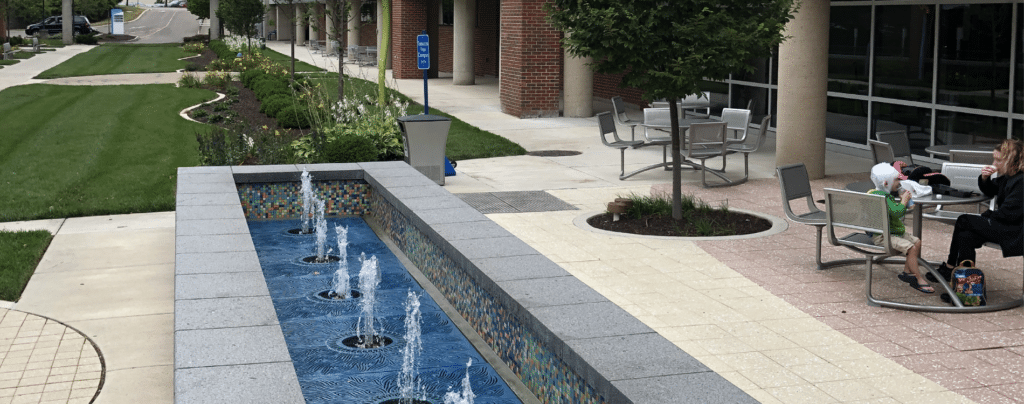
Case Study 1: Dayton Children’s HospitalDayton, Ohio – Urban Accessories provided customized Pavone tree grates made from recycled materials for a fountain water feature in front of the hospital. This project demonstrates how functional and aesthetic elements can coexist with environmental sustainability, enhancing the hospital’s public space while promoting green practices.
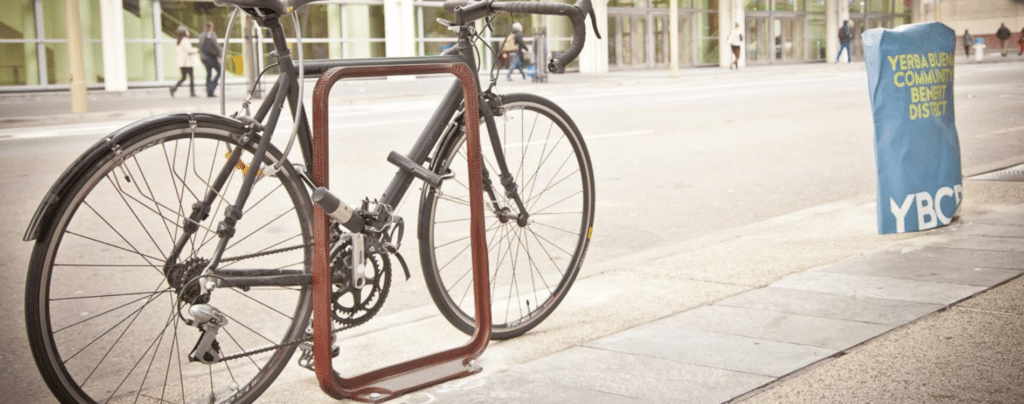
Case Study 2: Yerba Buena San Francisco, California – Urban Accessories provided custom bike racks and benches. Through surveys, public meetings, community input, charrettes, and a long-term needs assessment, CMG articulated community principles and improvement projects across the district, several of which have been implemented, including Parkmobiles, the SPUR Bench, Annie Alley, Moscone Center Expansion, as well as sidewalk benches and bike racks throughout the evolving neighborhood. Parkmobiles are a response to Yerba Buena residents’ desire for greener streets and are an identifying trait of the district. Outside the SPUR Center, where there was only a blank facade before, there is now a public amenity that has effectively facilitated street life. The bike racks and benches designed by CMG are part of a desire for a more unified neighborhood identity and a consistent approach to the urban environment.
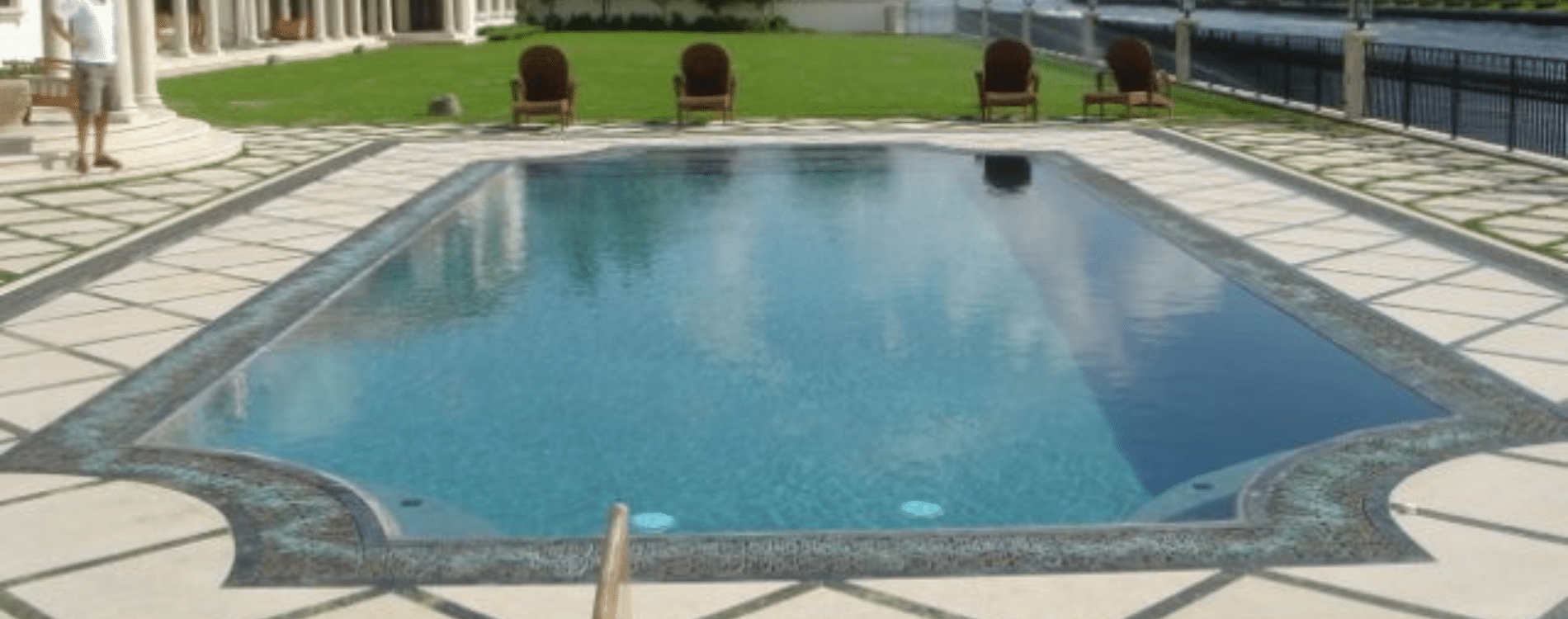
Case Study 3: Wright Pool Project Private Residence, California – Urban Accessories provided the OT Title-24 trench grating around the pool area for drainage. This eco-friendly residential development incorporated renewable energy sources, efficient waste management systems, and extensive green spaces. The use of recycled materials reduced the project’s overall carbon footprint, making it a benchmark for sustainable urban planning and design.
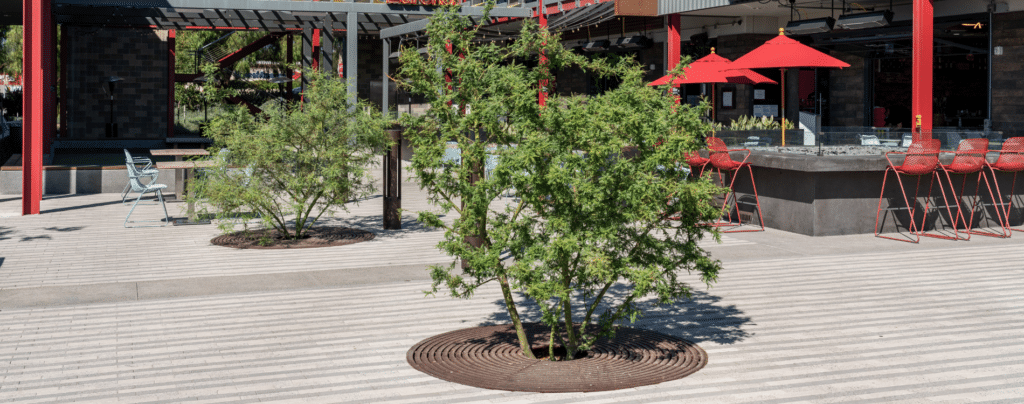
Case Study 4: LIFT Bressi Ranch Carlsbad, California – Urban Accessories provided the Flat Rainbow tree grates for this project, which play a critical role in the landscape design by supporting sustainable water management. LPA, the designer, integrated a diverse blend of outdoor public spaces that unite a two-building complex of offices, restaurants, and retail, creating a vibrant sense of community. The tree grates supplied by Urban Accessories facilitate the growth and health of urban trees, contributing to the project’s sustainable goals. The landscape design takes advantage of the coastal climate and makes sustainable water treatment a centerpiece of a people-oriented space. The mix of spaces reflects the client’s goal to develop a sense of neighborhood, with places to stroll, dine, hang out, meet with colleagues, or soak up the sunshine.
Addressing Challenges in Sustainable Urban Design
Despite the numerous benefits, sustainable urban design faces several challenges. Balancing economic growth with environmental preservation is a significant concern. Urban planners must also address resource scarcity, ensuring that sustainable practices are feasible and cost-effective. Additionally, there is a need to promote equitable access to green spaces and sustainable infrastructure, ensuring that all communities benefit from these advancements.
Urban Accessories tackles these challenges by providing affordable, high-quality products that support sustainable urban development. By partnering with local governments, non-profits, and community organizations, they ensure that sustainable urban design is accessible to all.
The Importance of Public Spaces in Urban Design
Public spaces play a crucial role in sustainable urban design. They provide areas for recreation, social interaction, and community activities, contributing to the overall quality of life. Urban Accessories’ products, such as benches, bike racks, and tree grates, enhance these spaces, making them more functional and inviting. By prioritizing the design and maintenance of public spaces, cities can foster a sense of community and improve residents’ well-being.
The Role of Renewable Energy in Sustainable Urban Design
Incorporating renewable energy sources is vital for achieving sustainable urban design. Solar panels, wind turbines, and geothermal systems can reduce reliance on fossil fuels, lowering greenhouse gas emissions and promoting energy independence. Urban Accessories supports this transition by designing products that integrate seamlessly with renewable energy systems, ensuring that urban environments are both sustainable and resilient.
Leveraging Technology for Sustainable Urban Design
Advancements in technology offer new opportunities for sustainable urban design. Geographic Information Systems (GIS), for example, can help urban planners analyze spatial data and make informed decisions about land use, infrastructure, and environmental impact. Urban Accessories utilizes cutting-edge technologies to develop innovative products that support sustainable urban planning and design. By embracing technological advancements, they ensure that their products remain at the forefront of sustainable urban design.
Building Partnerships for Sustainable Urban Development
Collaboration is essential for achieving sustainable urban development. Urban Accessories works closely with local governments, non-profits, and community organizations to promote sustainable practices and implement green infrastructure projects. By building strong partnerships, they can leverage resources, share knowledge, and achieve greater impact. This collaborative approach ensures that sustainable urban design benefits all stakeholders.
See How Urban Accessories Can Help You Plan Your Next Sustainable Build
Urban Accessories is dedicated to crafting sustainable urban designs that meet the highest environmental standards. By choosing their products, you are contributing to a greener future and enhancing the quality of urban life.
Explore their range of sustainable products and see how they can help you achieve your sustainability goals. For more detailed information on how Urban Accessories can support your sustainable urban design projects, visit our representative directory to connect with our local reps.